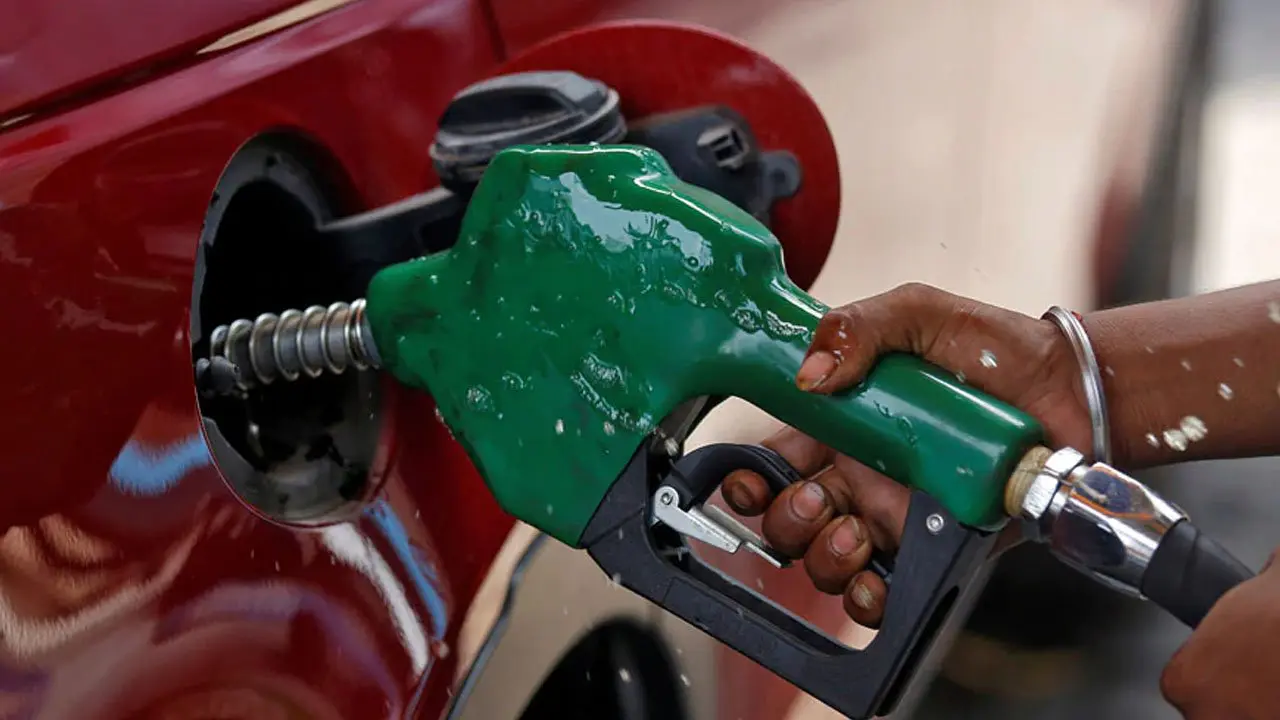
Recently, the Federal Government announced that Nigerians would start paying five percent tax on every 10 litres of fuel purchased.
Although the take-off date of the policy is uncertain, it did not go down well with Nigerians.
The Minister of Finance and Coordinating Minister of the Economy, Wale Edun, who made the announcement in Abuja last week, clarified that the five percent surcharge was not a new levy, but rather a provision first introduced in 2007 under the Federal Road Maintenance Agency Act.
According to him, the law, which has been in existence since 2007, is for harmonisation and transparency.
Expectedly, the proposed tax has been generating reactions among Nigerians, many of whom have expressed anger over the development.
Although the finance minister has assured that no commencement order has been given, probably because of the barrage of attacks trailing the move, Nigerians are still not taking the assurance seriously.
Those pushing this narrative would quickly cite the issue of fuel subsidy removal, which instantly moved the pump price of petrol from N167 per litre to the current price of between N865 and N1000 per litre depending on the part of Nigeria one is buying the product from.
This development, they argued, changed everything in Nigeria for the worse as things kept getting harder and harder by the day without any response from the government to address the people’s economic woes and pains.
However, social media has been abuzz with the issue as netizens continue to debate about the pros and cons of what appears to be one of the government’s most controversial announcements in recent times.
Some Lagos residents, who shared their thoughts on the proposed tax were of the opinion that the move is a very wrong one and must be rescinded.
Mr Taiwo Oladosun, a real estate agent, speaking on the matter, said: “The issue of taxing individuals five percent for purchasing fuel is wrong. Not everybody can afford that, considering the current situation we found ourselves in, so including such a new tax to the already existing burden would be a real struggle.”
Johnson Olagunji believes that fuel stations should be monitored to ensure transparency. “If they are going to be introducing this new law on buyers, then the government should make sure that those selling the product must ensure the pumps are fixed accurately.
“One litre should be one litre, so that the charges of the percentage will not affect the buyers so much
“Many times when we buy fuel, it turns out that the quantity of litres we intend to purchase is less than what is actually sold to us eventually.
Dailypost/Toyosi Eniola