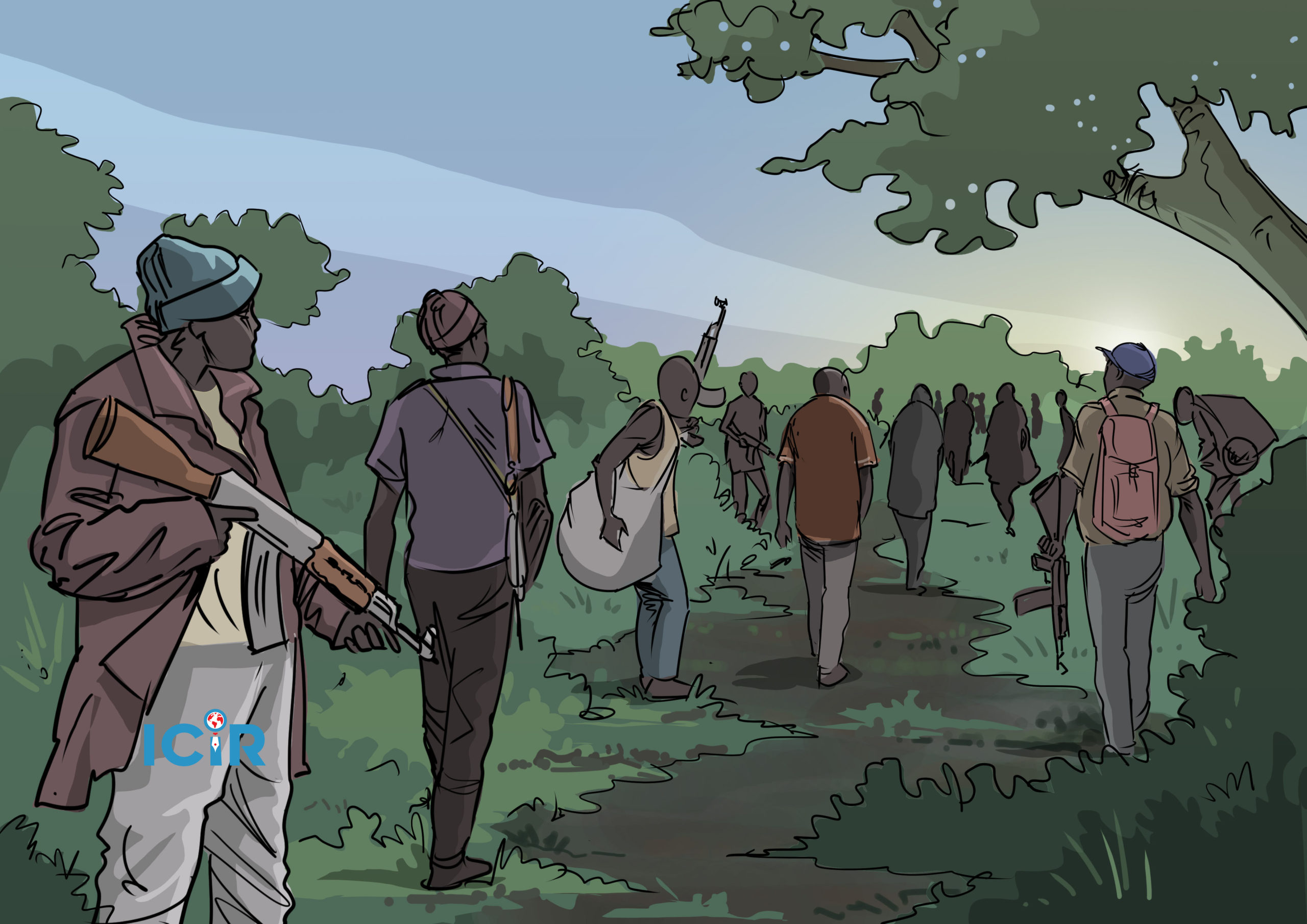
ADDRESSING ESCALATING KIDNAPPING CRISES IN NIGERIA IS THE FOCUS ON TODAY’S VIEW POINT. IT IS WRITTEN BY PENSIONERS FM GENERAL MANAGER, DR. BABATUNDE TIAMIYU
In recent months, Nigeria has witnessed a concerning surge in kidnapping cases, raising alarm bells about the security situation in the country.
The abduction of innocent citizens and foreigners has become a pervasive issue, demanding urgent attention and comprehensive strategies to curb the menace.
The recent killing of two traditional rulers in Ekiti state by suspected kidnappers, abduction of some pupils of a private school also in Ekiti state, kidnapping of six sisters of the same family at the federal capital territory, FCT, Abuja, as well as the abduction of Lagos PDP chairman on Lagos-Ibadan expressway, were few of notable incidents that underscored the severity of the problem.
Again, on Thursday February 1, 2024, another monarch was killed in his palace while his wife and others were kidnapped in his palace in Kwara state.
According to data by the armed conflict location & event data project, (ACLED), over three hundred and eighty people were kidnapped in Nigeria between December 1, 2023 and January 3, 2024.
From the various cases of kidnapping, families paid huge ransoms for the release of their loved ones in the kidnappers’ den, while some did not make it out alive.
So worrisome was that the bodies of some kidnapped victims have not been found years after their families had paid ransoms for their freedom.
Addressing the rising cases of kidnapping requires a multifaceted approach.
Firstly, law enforcement agencies must enhance their intelligence-gathering capabilities to identify and dismantle kidnapping networks.
Additionally, investing in advanced technology and training for security forces can significantly bolster their ability to respond swiftly to such incidents.
The government must also prioritize socioeconomic development in regions vulnerable to kidnapping.
Addressing root causes such as poverty, unemployment, and lack of education can help diminish the appeal of criminal activities, reducing the pool of potential recruits for the criminal networks.
Public awareness campaigns play a vital role in educating people about the risks and preventive measures against kidnapping, therefore communities should be encouraged to report suspicious activities and work closely with law enforcement to create a collective defence against this threat.
Swift prosecution and stringent penalties for those found guilty of kidnapping can serve as a deterrent, dissuading potential criminals and sending a strong message that such acts will not be tolerated.
While the government works to address the immediate challenges posed by kidnapping, fostering international cooperation can enhance intelligence sharing and facilitate the tracking of transnational criminal networks involved in these activities.
Kidnappers often exploit communication technologies for ransom negotiations and coordination.
Conversely, leveraging advanced technology, such as surveillance systems, facial recognition, and data analytics, can significantly enhance the capabilities of law enforcement in tracking and apprehending criminals.
Also, with the registration of national identification number, NIN with mobile phone numbers, the Nigerian communications commission, NCC and the national identity management commission, NIMC must be alive to their responsibilities of identifying the details and locations of the kidnappers.
As the nation grapples with the kidnapping crisis, it is imperative to explore additional aspects that contribute to the complexity of the situation.
The porous nature of borders, both within the country and across neighbouring nations, presents a challenge in preventing the movement of criminals and the trafficking of abducted individuals.
Strengthening border security and enhancing regional collaboration can help address these cross-border dynamics.
Furthermore, the involvement of different criminal elements, including extremist groups and organized crime syndicates, adds layers of intricacy to the issue.
The government must adopt a nuanced approach that recognizes the various motivations behind kidnappings, ranging from financial gain to ideological agendas.
Targeted strategies tailored to specific circumstances can prove more effective in dismantling these diverse criminal networks.
The need for community engagement and empowerment is crucial.
People at the grassroots, especially in vulnerable regions, should be actively involved in shaping and implementing security measures.
This include establishing community watch groups, providing security training, and fostering a sense of collective responsibility to create a resilient defence against kidnapping.
Finally, addressing corruption within law enforcement and other relevant institutions is paramount.
A transparent and accountable system can significantly enhance the effectiveness of anti-kidnapping initiatives, ensuring that resources are allocated appropriately and that those responsible for combating the crisis are beyond reproach.
In conclusion, the high rate of kidnapping in Nigeria demands a comprehensive and collaborative effort from the government, security forces, communities, and international partners.
Only through a concerted approach can the nation hope to stem the tide of abductions and restore a sense of security for its citizens.


