DANGER IN USING FOREIGN USED ITEMS IS THE FOCUS OF TODAY’S VIEWPOINT. IT IS WRITTEN BY THE PENSIONERS’ FM HEAD OF OPERATIONS, IBIWUNMI ISHOLA
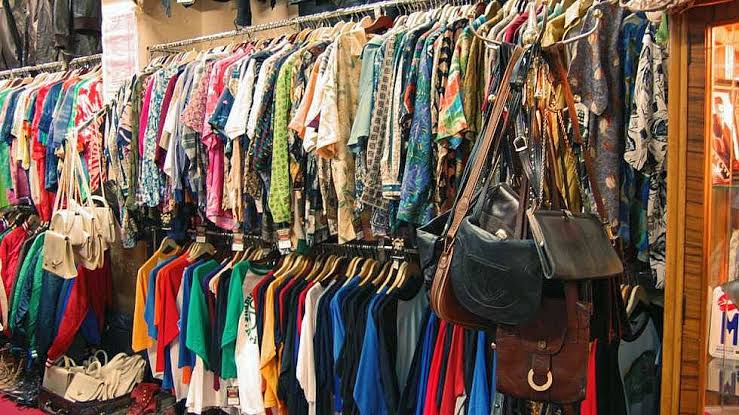
The prevalence of foreign used products has emerged as a dominant force in the Nigerian retail sector, spanning automobiles, cosmetics, electronics, and toys.
This trend has overshadowed the availability of new materials in the market, with traders often promoting tokunbo products even when new alternatives are present.
In a stark departure from the 1980s when nigerians primarily favoured brand new items, the landscape has shifted towards a preference for foreign used items, commonly known as okrika or first grade.
Foreign used items that have flooded markets include wears such as bras, undies, plates, cutleries, cups, kitchen utensils, tyres, electronic appliances to mention a few.
Despite repeated warnings from the standard organisation of nigeria (son) asserting the superiority of locally-made goods, consumers seem to prioritize the perceived durability and cost-effectiveness of foreign used items.
However, this preference comes at a potential cost, neglecting considerations for health risks such as skin cancer, breast cancer, and other infections that users may unknowingly expose themselves to.
Environmental concerns further complicate the matter, as discarded refrigerators and air conditioners find their way into nigeria, contributing to global warming.
This has made the nation to inadvertently transform into a dumping ground for products rejected by other countries, posing a threat to the well-being of its citizens.
Environmentalists argue that the unchecked influx of foreign used items is detrimental to the global fight against climate change.
The need for a robust regulatory framework to scrutinize the importation of these products, ensuring they are neither expired nor substandard, becomes evident.
Authorities must take proactive measures to curb the escalating importation of fairly used items. Stringent checks and balances should be in place to safeguard the health and safety of nigerian consumers.
This includes rigorous inspections to guarantee that these products meet the required standards and pose no harm to the end-users.
Additionally, there is a crucial call for the government to redirect its focus on encouraging manufacturing industries in united states, europe, and asia to establish their factories within nigeria. This shift would not only stimulate local production but also alleviate the burden of importing potentially hazardous goods.
In conclusion, while the allure of affordability and longevity may drive the demand for fairly used products, it is imperative for nigerians to consider the hidden health and environmental costs associated with this trend.
Regulatory bodies and the government must collaboratively work towards creating a sustainable and safe marketplace, balancing consumer preferences with the broader impacts on health and the environment.
Only through a comprehensive approach can nigeria navigate the challenges posed by the pervasive embrace of fairly used products.


