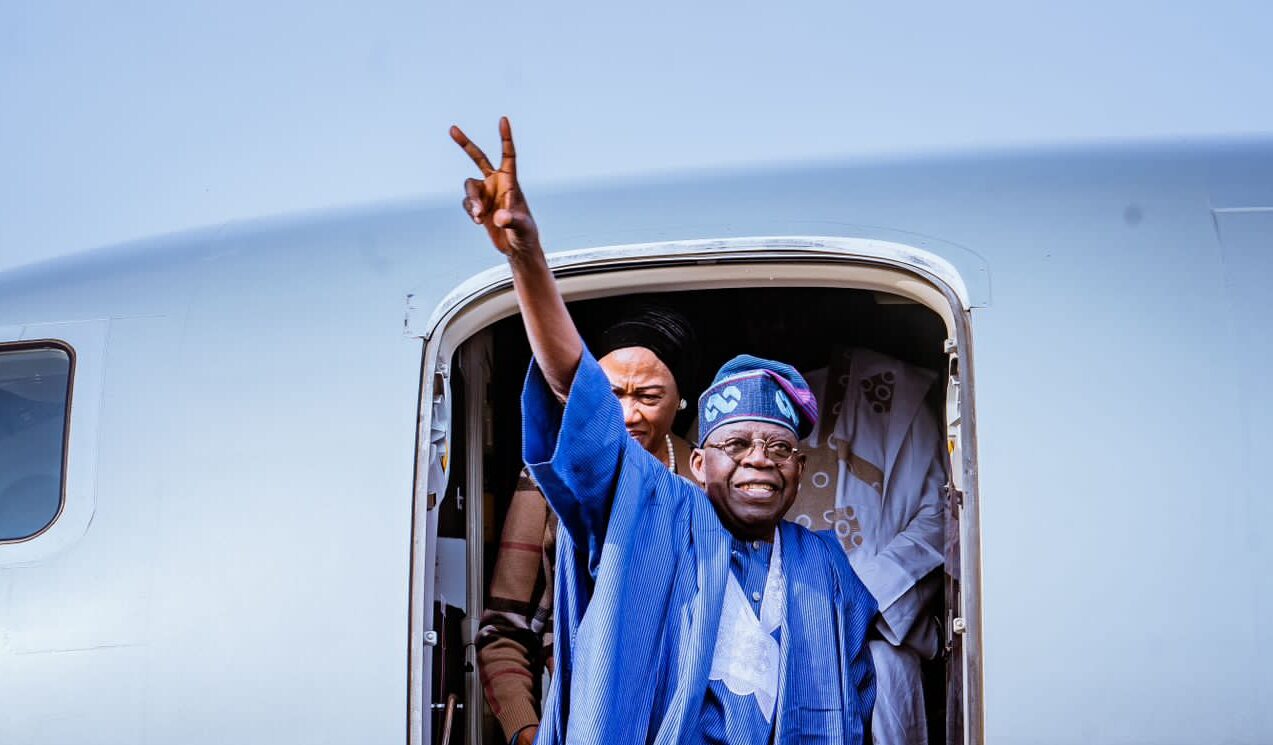
TODAY’S VIEWPOINT FOCUSES ON PRESIDENT BOLA TINUBU’S FOREIGN TRIPS. IT IS WRITTEN BY HONURABLE FEMI ADEBISI, A MEDIA CONSULTANT
In his first six months in office, president Bola Tinubu has travelled to over ten countries. Some of these countries include France, Guinea-Bissau, United Kingdom, Kenya, Benin republic, United Arab Emirates and India.
These foreign trips, though with potential benefits for the nation were accompanied with large contingents.
A comparison can be drawn to former president Olusegun Obasanjo, who strategically utilized his foreign trips during his tenure.
In his first term, Chief Obasanjo embarked on trips aimed at securing debt pardons, which ultimately alleviated Nigeria’s financial burdens.
In his second term, his foreign trips focused on consolidating the economy by attracting investments and forging strategic partnerships. This approach showcased a clear alignment of foreign engagements with national economic imperatives.
One cannot ignore the issue of medical tourism, which has plagued Nigeria’s leaders over the years.
While economic reasons may underpin president Tinubu’s foreign trips, the large contingents accompanying him seem unnecessary.
Such excessive spending could be better directed towards implementing indigenous economic solutions, fostering local industries, and addressing pressing national issues.
It is imperative that Nigerian government reevaluates its approach to foreign trips and focuses on prioritizing indigenous economic solutions.
This requires channeling resources towards strengthening key sectors, improving infrastructure, enhancing security, and implementing stable economic policies.
By doing so, Nigeria can create an environment that is truly attractive to both foreign investors and domestic entrepreneurs, leading to sustainable economic growth and development.
It is worthy to note the potential benefits of engaging with the international community, however, addressing domestic issues is very crucial.
President Tinubu should learn from the mistakes of his predecessor, president Muhammadu Buhari.
President Buhari’s foreign trips in search of foreign direct investments did not yield the desired outcomes. Despite his efforts to secure bilateral agreements and woo investors, the actual investment inflows to Nigeria dropped.
On the other hand, former president Olusegun Obasanjo’s extensive travels to over ninety countries during his tenure were strategically focused on economic and diplomatic objectives. These trips played a crucial role in securing debt pardons and consolidating the economy, showcasing the potential benefits of well-targeted foreign engagements.
President Tinubu should therefore take inspiration from this approach and ensure that his foreign trips are carefully planned with clear economic and diplomatic objectives in mind.
While foreign trips can provide opportunities for networking, attracting investments, and fostering international partnerships, it is equally important for president Tinubu to prioritize addressing Nigeria’s underlying challenges.
President Tinubu should focus on strengthening key sectors, promoting local industries, and implementing policies that foster economic growth.
By prioritizing indigenous economic solutions, Nigeria can create a more stable and attractive business environment, encouraging both local and foreign investments.
Security remains a significant concern in Nigeria, and president Tinubu must prioritize efforts to combat insecurity and create a safe environment for businesses and citizens alike.
Moreover, political stability and good governance are essential for attracting investments and promoting a conducive business climate.
In conclusion, president Tinubu’s foreign trips should be strategically planned and aligned with Nigeria’s economic and diplomatic objectives as it is time to strike a balance between foreign engagements and domestic priorities for the betterment of Nigeria and its people.


