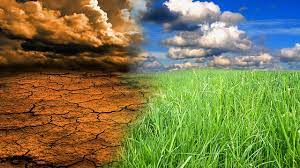
A CALL TO ACTION IN THE FACE OF PROLONGED HEATWAVE AND CLIMATE CRISIS IN THE COUNTRY IS THE FOCUS OF TODAY’S VIEWPOINT. IT IS WRITTEN BY HONOURABLE FEMI ADEBISI JP, A MEDIA CONSULTANT
Nigeria is currently grappling with an enduring heatwave.
The relentless heat, worsen by the absence of the typical relief brought by the harmattan season, has given rise to critical health and environmental issues.
The health implications are significant, with heightened risks of heat-related illnesses, especially among vulnerable populations such as the elderly and those with pre-existing health conditions.
Dehydration and heat-induced respiratory problems are straining healthcare resources, necessitating a coordinated public health response.
Environmental impacts are equally alarming, including drought conditions leading to water scarcity and potential conflicts.
Ecosystems are under stress, wildlife is struggling, and the agricultural sector faces threats to crop yields, jeopardizing food security and livelihoods.
In the long term, Nigeria must prioritize climate change adaptation and mitigation, reduce greenhouse gas emissions and implement sustainable water management.
Sustainable agriculture practices, support for vulnerable populations, and alternative water sources are crucial components of a comprehensive response.
Preserving urban forests and encouraging tree planting are vital strategies for mitigating heatwave effects.
Trees act as natural air conditioners, improve air quality, reduce energy consumption, support biodiversity, and contribute to public health and well-being.
These efforts are essential for building resilient and sustainable cities in the face of climate change.
Also, individuals can address the challenges posed by the prolonged heatwave and climate change by reducing personal energy consumption.
Using energy-efficient appliances, turning off lights when not needed, and being mindful of overall energy use contributes to lowering greenhouse gas emissions.
People should practice water conservation by fixing leaks, using water-saving appliances, and being mindful of water use as this helps combat water scarcity aggravated by drought conditions.
Also, there is the need to adopt a lifestyle that minimizes waste, recycle materials, and support sustainable practices to lessen the environmental impact.
Furthermore, educating others about the impacts of climate change and the importance of sustainable practices is crucial as increasing awareness fosters collective responsibility and encourages more people to take action.
By taking these actions, individuals and every stakeholder contribute collectively to mitigating the effects of climate change, fostering resilience, and building a sustainable future.


