Stakeholders in the election process have reiterated their commitment to ensuring free, fair, peaceful and credible governorship election in Ekiti State.
The stakeholders, including the Independent National Electoral Commission, police, National Orientation Agency, Nigeria Civil Defence Corps and the Nigeria Union of Journalists, pledged not to abdicate their responsibilities before, during and after the Ekiti election billed for June 20, 2026.
They spoke in Ado Ekiti on Monday during a two-day media and election stakeholders dialogue/interaction on credible elections in Ekiti State, organised by the International Press Centre and Centre for Media and Society, in collaboration with the European Union Support to Democratic Governance in Nigeria.
The programme was targeted at ensuring that all relevant stakeholders perform their duties with the desired sense of responsibility in a way that the election can be inclusive, free and fair and devoid of the toxicity of disinformation and misinformation.
Explaine: 2026 UTME: Why You Can’t Print Your JAMB Result Yet
0:00 / 1:01
The INEC Resident Electoral Commissioner in Ekiti State, Dr Bunmi Omoseyindemi, who said the commission was poised to conduct a free, fair and transparent election, said that besides internal preparations, INEC was collaborating with necessary stakeholders to identify, assess and mitigate potential risks that could affect the conduct of the election.
He said that “the risks could range from logistical challenges to security concerns, misinformation, disinformation, electoral malpractices and stakeholder non-compliance with established guidelines.”
Omoseyindemi listed some risk factors specific to Ekiti State, which necessitated the collective attention of stakeholders to include “vote-buying and inducement of voters, which have been observed in previous elections and pose a serious threat to the credibility of the electoral process; and misinformation and disinformation, particularly through social and media platforms capable of misleading voters and inciting tension.”
The REC also raised security concerns, including the potential for violence, political thuggery and disruption of electoral activities in some areas and logistical challenges, especially in the timely deployment of personnel and materials to difficult terrains.
He said, “These risks are not insurmountable, but they require proactive collaboration and shared responsibility among all stakeholders.”
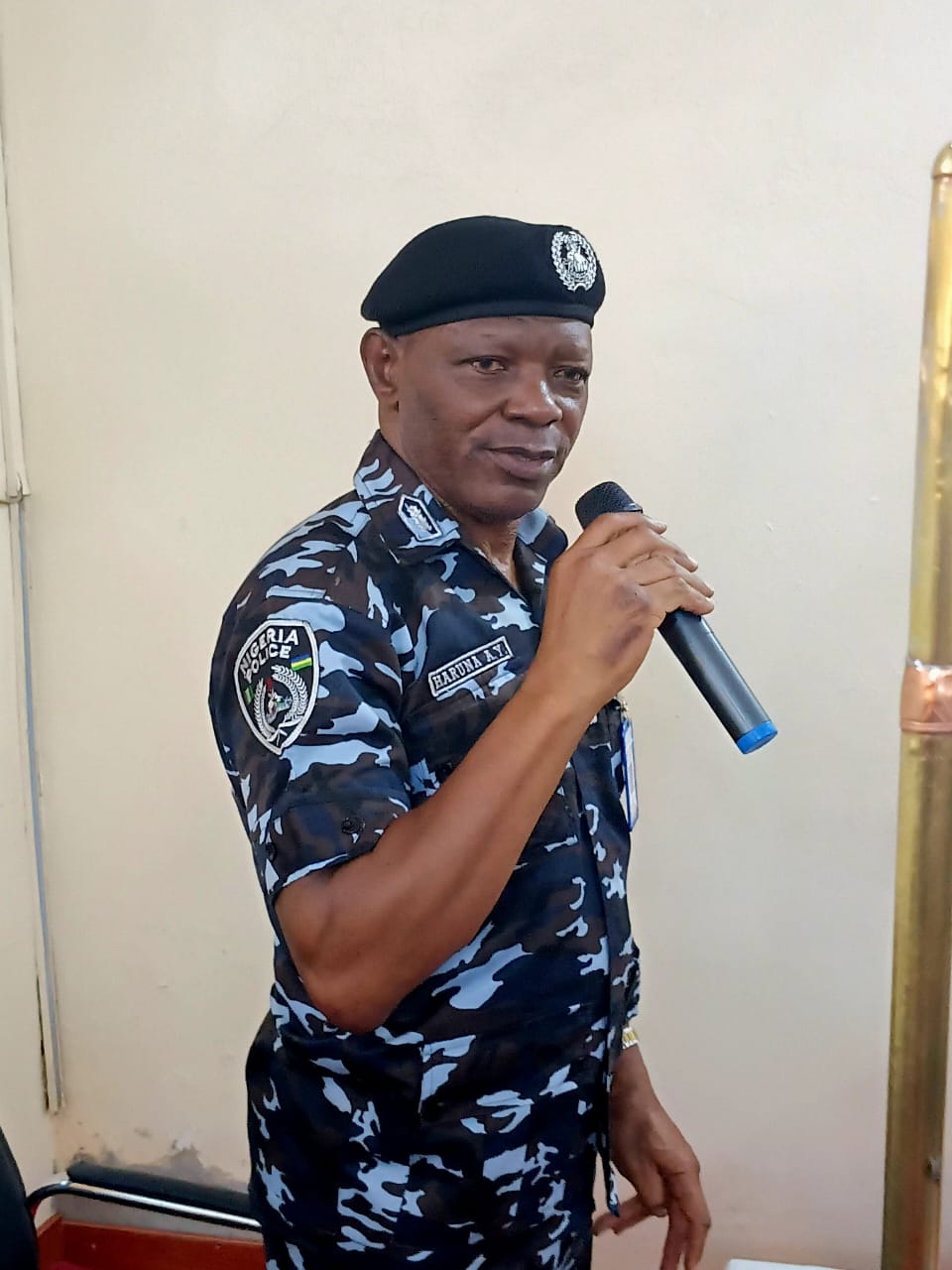
In his remarks, the state Police Public Relations Officer, Sunday Abutu, assured that security agencies would not allow any lapse before, during and after the election.
Abutu assured that the police would collaborate with other stakeholders to maintain peace and order, to encourage voters to go out to exercise their democratic rights without molestation.
The police spokesperson, who said vote-buying remained a crime, said policemen would pay special attention to containing vote-buying and vote-trading during the poll.
He said, “The command is aware of the atmosphere associated with elections, but we will remain proactive in addressing emerging security threats and nip plans of unscrupulous elements in the bud.”
The state chairman of the Nigeria Union of Journalists, Kayode Babatuyi, who lauded IPC and CEMESO for the programme, said that NUJ in the state was taking steps to promote accurate information and fair reporting and, as well, address fake news, misinformation and disinformation.
Babatuyi urged INEC to organise more training for journalists on the provisions of the 2026 Electoral Act to deepen understanding of the electoral framework.
Director, Journalism Clinic, Lagos, Mr Taiwo Obe, advised journalists on accurate reporting, fact-checking and verification.
In his welcome address, the IPC Executive Director, Lanre Arogundade, said the programme, among others, was “to strengthen media professionals’ capacity to deal with electoral misinformation/disinformation, enhance the media platforms’ ability to diversify, deepen the coverage of the electoral process and deliver civic and voter education; and improve media engagement in promoting women, youths and marginalised groups in politics.”
He said, “It is important to remind the government, including its security agencies, INEC and civil society organisations, that the Nigerian Media Code of Election Coverage, through its Statement of Broad Principles, obliges them to facilitate information access, ensure the safety of journalists, and promptly investigate any attacks on media personnel while they perform electoral duties.”
The CEMESO ED, Dr Akin Akingbulu, said the programme was “to reposition the media as a credible, sustained platform for deepening electoral reportage, advancing civic and voter education, and delivering balanced, citizen-centred coverage, not only on election day, but across the full arc of the electoral cycle.”
Punch/ Samuel Olokoba
Stakeholders in the election process have reiterated their commitment to ensuring free, fair, peaceful and credible governorship election in Ekiti State.
The stakeholders, including the Independent National Electoral Commission, police, National Orientation Agency, Nigeria Civil Defence Corps and the Nigeria Union of Journalists, pledged not to abdicate their responsibilities before, during and after the Ekiti election billed for June 20, 2026.
They spoke in Ado Ekiti on Monday during a two-day media and election stakeholders dialogue/interaction on credible elections in Ekiti State, organised by the International Press Centre and Centre for Media and Society, in collaboration with the European Union Support to Democratic Governance in Nigeria.
The programme was targeted at ensuring that all relevant stakeholders perform their duties with the desired sense of responsibility in a way that the election can be inclusive, free and fair and devoid of the toxicity of disinformation and misinformation.
Explaine: 2026 UTME: Why You Can’t Print Your JAMB Result Yet
The INEC Resident Electoral Commissioner in Ekiti State, Dr Bunmi Omoseyindemi, who said the commission was poised to conduct a free, fair and transparent election, said that besides internal preparations, INEC was collaborating with necessary stakeholders to identify, assess and mitigate potential risks that could affect the conduct of the election.
He said that “the risks could range from logistical challenges to security concerns, misinformation, disinformation, electoral malpractices and stakeholder non-compliance with established guidelines.”
Omoseyindemi listed some risk factors specific to Ekiti State, which necessitated the collective attention of stakeholders to include “vote-buying and inducement of voters, which have been observed in previous elections and pose a serious threat to the credibility of the electoral process; and misinformation and disinformation, particularly through social and media platforms capable of misleading voters and inciting tension.”
The REC also raised security concerns, including the potential for violence, political thuggery and disruption of electoral activities in some areas and logistical challenges, especially in the timely deployment of personnel and materials to difficult terrains.
He said, “These risks are not insurmountable, but they require proactive collaboration and shared responsibility among all stakeholders.”
In his remarks, the state Police Public Relations Officer, Sunday Abutu, assured that security agencies would not allow any lapse before, during and after the election.
Abutu assured that the police would collaborate with other stakeholders to maintain peace and order, to encourage voters to go out to exercise their democratic rights without molestation.
The police spokesperson, who said vote-buying remained a crime, said policemen would pay special attention to containing vote-buying and vote-trading during the poll.
He said, “The command is aware of the atmosphere associated with elections, but we will remain proactive in addressing emerging security threats and nip plans of unscrupulous elements in the bud.”
The state chairman of the Nigeria Union of Journalists, Kayode Babatuyi, who lauded IPC and CEMESO for the programme, said that NUJ in the state was taking steps to promote accurate information and fair reporting and, as well, address fake news, misinformation and disinformation.
Babatuyi urged INEC to organise more training for journalists on the provisions of the 2026 Electoral Act to deepen understanding of the electoral framework.
Director, Journalism Clinic, Lagos, Mr Taiwo Obe, advised journalists on accurate reporting, fact-checking and verification.
In his welcome address, the IPC Executive Director, Lanre Arogundade, said the programme, among others, was “to strengthen media professionals’ capacity to deal with electoral misinformation/disinformation, enhance the media platforms’ ability to diversify, deepen the coverage of the electoral process and deliver civic and voter education; and improve media engagement in promoting women, youths and marginalised groups in politics.”
He said, “It is important to remind the government, including its security agencies, INEC and civil society organisations, that the Nigerian Media Code of Election Coverage, through its Statement of Broad Principles, obliges them to facilitate information access, ensure the safety of journalists, and promptly investigate any attacks on media personnel while they perform electoral duties.”
The CEMESO ED, Dr Akin Akingbulu, said the programme was “to reposition the media as a credible, sustained platform for deepening electoral reportage, advancing civic and voter education, and delivering balanced, citizen-centred coverage, not only on election day, but across the full arc of the electoral cycle.”
Punch/ Samuel Olokoba